 Higher-end homes in Botswana are softening, but this is not a market-wide buyer's market: demand for affordable housing is holding up.
Published November 2026 · By Sam Associates Research. Gaborone, Botswana
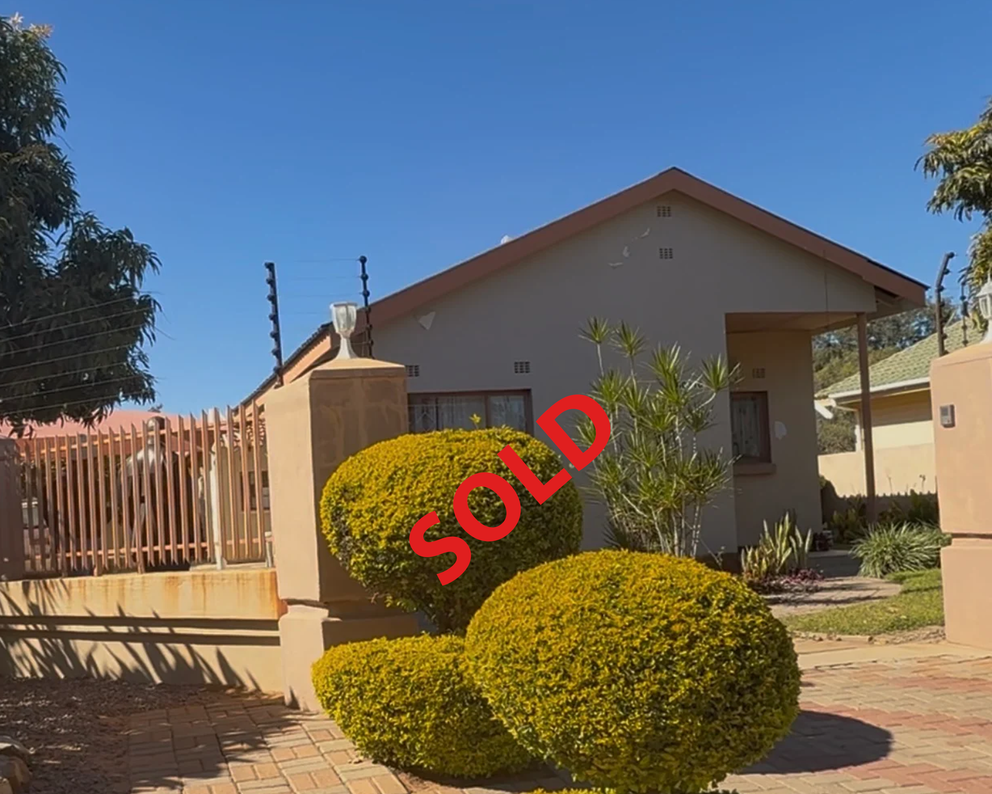 If you are shopping at the upper end, softer conditions give you room to negotiate. Practical ways to use it:
What the data shows
The average price of a residential property sold in Botswana fell 9.9% quarter-on-quarter to P888,055 in the third quarter of 2025. The figure comes from the Bank of Botswana's April 2026 Monetary Policy Report. The drop was driven by Greater Gaborone, Francistown and Selebi-Phikwe.The same report points to a split market. Demand for affordable housing has stayed resilient, while appetite for higher-end homes has weakened. Earlier market updates cited by the central bank had already flagged an oversupply of upper-end properties, which put pressure on both prices and rents.One caution: an average sale price shifts with the mix of homes that change hands. A fall can reflect fewer expensive sales as well as lower prices on the same homes, so treat it as a direction, not an exact discount.Why the top end is softer
Three pressures are weighing on pricier homes.- Supply has outpaced demand. The Bank of Botswana's household indebtedness report described a softening property market with rising vacancy rates, reversing the trend seen through 2023.
- Mortgage lending has stalled. Residential loans were flat between February 2024 and February 2025, and in late 2025 banks still had not expanded their mortgage books despite rising housing demand in Gaborone and its surrounding areas. Low wage growth and stubborn unemployment are part of the story.
- Borrowing costs have risen. The Bank of Botswana raised its policy rate by 200 basis points to 5.5% in April 2026 and held it there on 29 October 2026. That is the highest level since 2017. Inflation was 7.8% in September, above the bank's 3% to 6% target range, and commercial banks' average prime lending rate was 7.19% in July 2026.
Where buyers have leverage
If you are shopping at the upper end, softer conditions give you room to negotiate. Practical ways to use it:- Ask how long the home has been listed. A property that has sat on the market has a seller who is more likely to move on price.
- Compare with recent sales, not asking prices. Ask your agent for what similar homes in the same area actually sold for.
- Negotiate beyond the headline price. Fittings, repairs, a flexible handover date and who pays certain transfer costs can all be on the table.
- Get your finance in order first. A buyer with a bank approval in hand is a stronger negotiator than one who still has to apply.
- Do not rush. With rates held at 5.5% for three meetings in a row, there is less pressure to buy before the next announcement, though a further hike is still possible.
What is not softening
The bargains are not everywhere. Three parts of the market are still tight:- Affordable housing. Government has set a target of 100,000 housing units by 2028 under the Bonno National Housing Programme, which shows how large the entry-level shortfall is. Stanbic's Legae Home Loan, which removes bond registration, legal and valuation fees, is aimed at the same group.
- Plots near Gaborone. Tlokweng's land board waiting list stands at over 60,000, the largest in Botswana. In Mogoditshane, the sub land board cut its list from 140,000 to 48,000 after an audit, and demand for land near urban centres remains high.
- Rentals in the public sector. The Botswana Housing Corporation reported a rental vacancy rate of 1.87% in its most recent results.
Buyer checklist before you make an offer
- Confirm the type of land tenure: freehold, state or tribal. Freehold is only about 5% of land in Botswana, and foreigners cannot buy state land, though they can lease it.
- Check the title deed status and that the seller can legally transfer the property.
- Get pre-approval from your bank and ask how a further rate rise would change your monthly repayment.
- Compare at least three recently sold homes in the same area.
- For estates, ask about levies and how the estate is managed.
- Budget for transfer costs, legal fees and maintenance on top of the price.